You pop a THC gummy into your mouth, wait forty-five minutes, and suddenly your heart starts pounding like you just sprinted up the Alps. Is this normal? Should you be worried? The short answer is: it depends on who you are, how much you took, and what’s already going on in your body. But here’s the thing-most healthy people won’t end up in the ER from a single dose of edibles. Still, if you’ve got a history of high blood pressure or arrhythmia, that racing pulse isn’t just a buzz; it’s a signal.
Quick Summary / Key Takeaways
- THC causes tachycardia: It increases heart rate by 20-50% for 1-3 hours after ingestion.
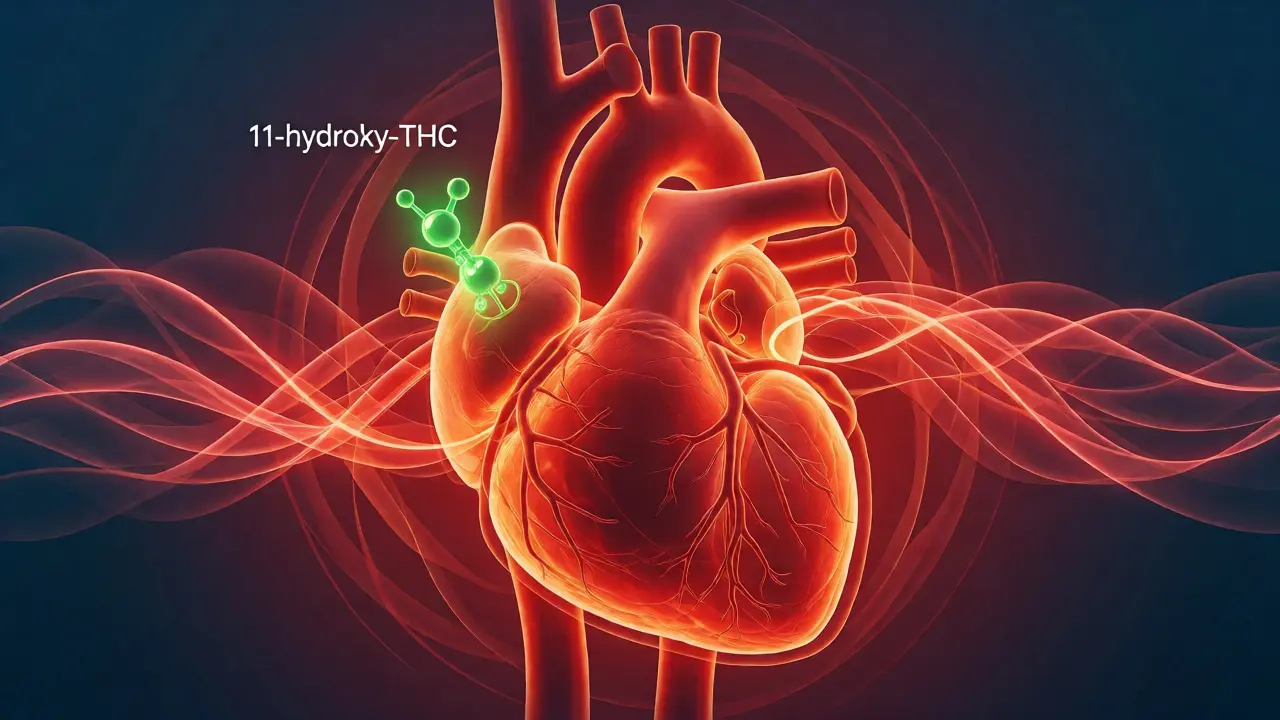
- Edibles hit harder than smoking: Liver metabolism converts THC to 11-hydroxy-THC, which is more potent and longer-lasting.
- Risk varies by individual: People with pre-existing heart conditions face higher risks of palpitations, dizziness, or fainting.
- Dose matters most: Starting with 2.5-5 mg reduces cardiovascular stress significantly compared to 10+ mg doses.
- Hydration helps: Dry mouth and dehydration can worsen perceived heart strain; drink water before and during the experience.
Why Your Heart Races After an Edible
When you eat a THC gummy, an edible product containing tetrahydrocannabinol, the compound doesn’t go straight to your brain like it does when smoked. Instead, it travels through your digestive system and gets processed by your liver. This process creates 11-hydroxy-THC, a metabolite that crosses the blood-brain barrier more efficiently than regular THC. That’s why edibles feel stronger and last longer. But this same potency hits your cardiovascular system hard. THC binds to CB1 receptors in your heart and blood vessels, triggering a release of adrenaline. Result? Your heart beats faster, often jumping from a resting 70 bpm to over 100 bpm. For many users, this feels like anxiety or panic, even if they’re physically fine.
The Science Behind Cannabis and Heart Rate
Research published in journals like the Journal of the American College of Cardiology confirms that THC acts as a vasodilator-it widens your blood vessels. To compensate for lower blood pressure, your heart pumps faster. This is called reflex tachycardia. In healthy adults, this effect is temporary and rarely dangerous. However, the timeline matters. Smoking peaks in 10-30 minutes, but edibles peak at 2-4 hours. If you take another gummy because “nothing happened” after an hour, you might double-dose right as the first one kicks in. That’s when heart rates spike dangerously high for some individuals.
| Factor | Smoked/Vaped Cannabis | THC Edibles (Gummies) |
|---|---|---|
| Onset of Heart Rate Increase | Immediate (within minutes) | Delayed (30-90 minutes) |
| Peak Effect Duration | Short (1-2 hours) | Long (4-8 hours) |
| Magnitude of Tachycardia | Moderate (20-30% increase) | High (30-50% increase possible) |
| Predictability | Easier to titrate dose | Harder to predict due to digestion variability |
Who Is at Higher Risk?
If you’re young, fit, and have no cardiac history, a racing heart from edibles is usually just uncomfortable-not dangerous. But certain groups need to tread carefully. Anyone with diagnosed hypertension, arrhythmias (like atrial fibrillation), or coronary artery disease should consult a cardiologist before using THC products. Why? Because the increased workload on the heart can trigger events in vulnerable systems. Older adults also process THC slower, meaning the drug stays in their bloodstream longer, prolonging the stress on the cardiovascular system. And let’s not forget anxiety. Panic attacks mimic heart attack symptoms-chest tightness, rapid pulse, shortness of breath. Many people rush to urgent care thinking they’re having a cardiac event, only to be told it’s a bad trip exacerbated by fear.
Dosing Strategies to Protect Your Heart
Start low, go slow. This isn’t just a cliché; it’s medical advice for edibles. A standard dose is often listed as 10 mg of THC per gummy. But for beginners-or anyone sensitive to stimulants-that’s too much. Try splitting a gummy in half or quartering it. Aim for 2.5 mg initially. Wait two full hours before considering more. During this window, avoid alcohol, caffeine, or other stimulants that compound heart rate increases. Hydration plays a critical role too. Dehydration thickens blood slightly, making the heart work harder. Drink a glass of water before eating your gummy and keep sipping throughout the experience. If you feel dizzy or lightheaded, sit down immediately. Orthostatic hypotension-a drop in blood pressure upon standing-is common with high-dose edibles and can lead to fainting.
Managing Side Effects Without Medication
If your heart starts pounding mid-experience, don’t panic. First, check your environment. Are you hot? Overstimulated? Move to a cooler, quieter room. Practice box breathing: inhale for four seconds, hold for four, exhale for four, hold for four. This activates the parasympathetic nervous system, slowing your heart rate naturally. Some users find relief with CBD-rich strains paired with THC, as CBD may counteract some psychoactive and physiological effects of THC. Black pepper contains beta-caryophyllene, a terpene that interacts with CB2 receptors and may reduce anxiety-related heart palpitations. Chewing a few peppercorns sounds odd, but many experienced users swear by it. Keep these remedies handy so you’re not scrambling when the effects hit.

When to Seek Medical Help
Not all heart sensations are equal. While mild tachycardia is expected, certain red flags warrant immediate attention. Chest pain radiating to the arm or jaw, severe shortness of breath, irregular heartbeat that doesn’t settle, or fainting spells require professional evaluation. These could indicate underlying issues unmasked by THC’s stimulant effect. Also, consider interactions with medications. Beta-blockers, calcium channel blockers, or anticoagulants can interact unpredictably with cannabinoids. Always inform your doctor about cannabis use, especially if you’re managing chronic conditions. Remember, emergency rooms see plenty of cannabis-induced tachycardia cases-they won’t judge you, and they’ll help stabilize you safely.
Frequently Asked Questions
Can edibles cause a heart attack?
In rare cases, yes. High doses of THC can significantly raise heart rate and blood pressure, potentially triggering a cardiac event in people with pre-existing heart disease. For healthy individuals, the risk is extremely low, but caution is advised for those with known cardiovascular issues.
How long does elevated heart rate last after eating edibles?
The increased heart rate typically begins within 30-60 minutes, peaks around 2-4 hours, and gradually subsides over 6-8 hours. Factors like metabolism, body weight, and tolerance influence the exact duration.
Are CBD-only gummies safer for the heart than THC gummies?
Generally, yes. CBD does not produce the same acute tachycardia as THC. While CBD can interact with some heart medications, it rarely causes significant changes in heart rate or blood pressure in typical doses.
Does tolerance to edibles reduce heart rate effects?
Yes, regular users often develop tolerance to the cardiovascular effects of THC. Their hearts respond less dramatically to the same dose compared to new users. However, tolerance doesn’t eliminate risks entirely, especially with very high doses.
Should I avoid edibles if I have high blood pressure?
Consult your doctor first. THC can temporarily raise heart rate and alter blood pressure dynamics. While some studies suggest cannabis may lower BP chronically, the acute spike poses risks for uncontrolled hypertension patients.
Next Steps & Troubleshooting
If you’re new to edibles, keep a simple log: note the dose, time taken, and any physical sensations like heart pounding or dizziness. This data helps you find your sweet spot. If you consistently experience discomfort at 5 mg, stick to 2.5 mg or switch to sublingual tinctures, which bypass the liver and offer more predictable effects. For seasoned users noticing increased sensitivity, consider taking breaks from THC to reset tolerance. And always prioritize quality-buy from reputable sources that test for contaminants, as heavy metals or pesticides can add unnecessary stress to your body.